A few years ago I was sitting in a terminal restaurant at LAX. A man was in line to order food. I noticed he was wearing a pair of gray Stone Glacier pants. A minute or two later, he noticed I was wearing the same pants. We spent the next ten minutes talking about how much we liked them. We were fans.
In 2008, Seth Godin — the world’s most famous marketer — published a book called Tribes, where he argued that businesses should stop selling to customers and start leading them as a tribe. Godin’s book gave marketers a new word, and it didn’t take long for marketers everywhere to start calling their customers a tribe.
Godin suggests that a tribe is a group of people connected to one another, connected to an idea, and connected to a leader… with a way to communicate. But Godin’s definition isn’t correct. What he’s describing is a fan club.
Humans lived in tribes way back into early evolution. As Homo species came out of the trees and onto the savannah, they did so in cooperative groups. Members of a tribe shared interest in each other’s survival and contributed to help ensure it.
Being part of a tribe is much more than wearing the same camouflage pattern, or liking the same hunts, as the marketers at Sitka began suggesting in 2013. Membership in a tribe means going on those hunts together, and sharing the toils and the spoils of that hunt.
Today, research shows that people without strong social connections tend to die sooner than those with a place among others. This suggests that even though we don’t face the same predation risks, our psychology still thinks we do. We need people. Period. We are a social animal, not complete on our own, but functioning parts of a larger whole to which we contribute.
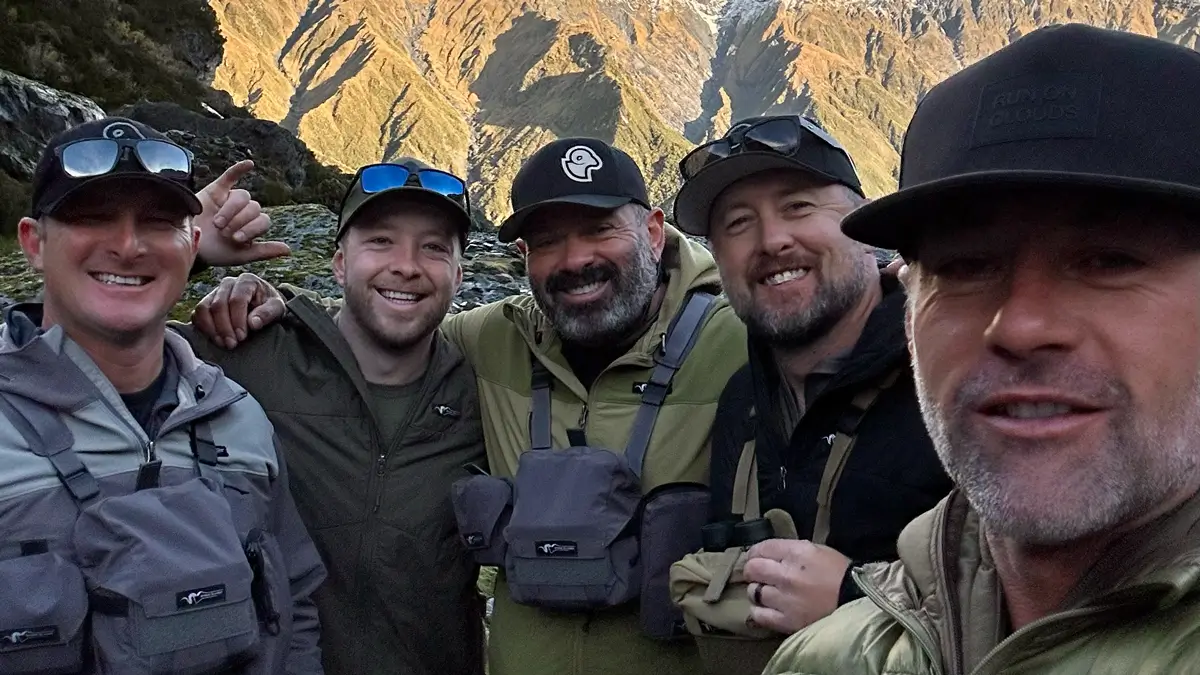
Your family, and those you hunt with. This is your tribe.
Appreciate Our Work?
You can support the content we're creating by simply buying us a beer. Staying hydrated keeps the content coming.
Click the image to send a small donation. Cheers!